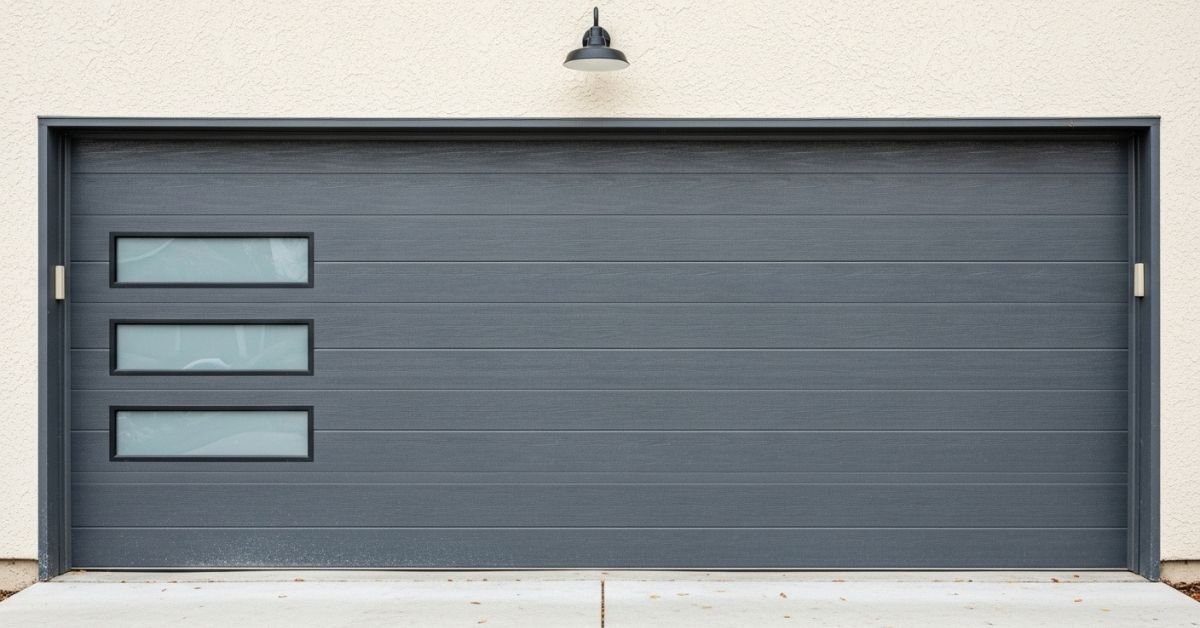
Your garage door is one of the most used mechanical systems in your home, operating multiple times every day to provide convenience and security. Over time, parts wear out due to constant motion, temperature changes, and exposure to the elements. Choosing the right replacement parts is essential to maintain performance, safety, and reliability. Whether it’s springs, rollers, cables, or sensors, selecting compatible and durable components can prevent costly breakdowns and extend the door’s lifespan. Homeowners who take the time to choose correctly enjoy smoother operation and fewer maintenance issues in the long run.
Understanding Compatibility and Quality
When replacing any garage door component, compatibility is the first factor to consider. Not all parts fit every door model, and even slight variations in size or material can affect functionality. Checking the manufacturer’s specifications ensures that the new parts align with the door’s design and weight capacity. Using mismatched or low-quality parts can strain the motor, misalign tracks, or reduce balance, leading to further damage. Homeowners should look for components made from durable materials such as galvanized steel, nylon, or reinforced cables to ensure long-term reliability.
Another important step is verifying that replacement parts meet safety standards, particularly for springs and sensors. Choosing quality over cost may seem like a bigger initial investment, but it saves time and money on repairs later. A properly fitted part restores smooth operation, maintains safety mechanisms, and helps the entire system run efficiently, preventing unnecessary wear on other components.
Consulting Professionals for Accurate Replacement
Selecting the correct parts can be tricky without professional input, especially when dealing with technical components like torsion springs or lift cables. A trained technician can identify the exact specifications and match them to the correct replacements, reducing the risk of errors. These experts understand the mechanics of balance, tension, and alignment, which are critical to ensuring safe installation. Companies such as Don’s Garage Door Repair often help homeowners identify and source genuine parts suited to their specific door type.
Their experience ensures that each component functions seamlessly with existing mechanisms, preventing future malfunctions. Attempting DIY repairs without proper knowledge can lead to improper installation or even injuries, as many garage door parts operate under high tension. By consulting professionals, homeowners can make confident decisions, knowing that the selected components meet both performance and safety expectations. Accurate replacement not only restores efficiency but also enhances the door’s overall durability and lifespan.
Evaluating the Condition of Related Components
When one part of the garage door system wears out, it’s essential to assess the condition of surrounding components as well. A failing spring or frayed cable often affects nearby hardware, causing uneven stress on tracks, hinges, or rollers. Replacing just one part without checking others may temporarily fix the problem, but can lead to recurring issues. During maintenance or replacement, inspecting the tracks for bends, ensuring rollers are smooth, and verifying proper lubrication can help identify hidden wear.
Sometimes, upgrading interconnected parts together enhances balance and reduces future strain on the motor. A cohesive system of well-maintained components ensures consistent motion and prevents jerking or noise during operation. Homeowners who stay attentive to overall system health save time and money by addressing potential failures early. Understanding how each part interacts within the system ensures a comprehensive approach to repairs, keeping the door functioning safely and smoothly for years to come.
Material and Design Considerations
Different garage doors require different replacement parts based on their materials, sizes, and designs. Heavy wooden or insulated steel doors demand stronger springs and brackets than lightweight aluminum ones. Similarly, nylon rollers are quieter than metal rollers, making them ideal for attached garages. Weather conditions also influence material choice; components that resist corrosion, such as stainless steel or coated hardware, perform better in humid or coastal climates.
Even design details like track width or spring coil direction must align precisely to maintain balance. Investing in parts that match the original design prevents unnecessary adjustments and maintains factory-level performance. Door insulation, opener strength, and frequency of use are other factors that influence the type of replacement parts required. The right materials contribute not only to longevity but also to improved functionality and reduced maintenance. Matching the correct design elements creates a system that runs efficiently and withstands years of use without frequent replacements.
Prioritizing Safety Features During Replacement
Modern garage doors include several safety features that prevent accidents and injuries, and maintaining these systems should be a top priority during part replacement. Safety sensors, auto-reverse mechanisms, and tension springs all work together to protect both the door and users. When replacing parts, it is essential to ensure that these features remain functional and properly calibrated.
For instance, photo-eye sensors must be aligned appropriately to detect obstacles, while springs and cables should be properly tensioned to prevent sudden door collapse. Installing safety-rated components provides an added layer of protection, particularly for households with children or pets. Replacing old or worn-out safety parts can also enhance the door’s reliability, giving homeowners peace of mind. A well-functioning safety system not only protects property but also reduces the risk of costly damage or injuries. Paying attention to these details ensures that every aspect of the replacement process contributes to a secure, dependable garage door setup.
Balancing Cost, Durability, and Performance
While affordability is often a key factor in choosing replacement parts, it’s essential not to compromise on quality. Cheap components may work temporarily, but usually wear out quickly, leading to repeated repairs and higher long-term costs. The goal should be to find a balance between price, durability, and performance. Many reputable brands offer mid-range options that deliver strong performance without breaking the budget. Comparing warranties can also help gauge product reliability more.
More extended warranties typically indicate greater confidence in the part’s longevity. Investing in durable hardware ensures that the garage door operates quietly, efficiently, and with minimal upkeep. In addition, choosing energy-efficient or weather-resistant components can enhance your home’s overall comfort and value. Homeowners who prioritize quality replacements enjoy smoother operation, reduced maintenance, and lower repair costs over time. Balancing these elements ensures that every dollar spent contributes to the door’s strength, safety, and lasting performance.
Building Reliability Through Smart Choices
Choosing the right replacement parts for your garage door requires attention to detail, quality, and compatibility. Every component, from springs to sensors, plays a vital role in ensuring smooth operation and safety. Working with professionals helps eliminate guesswork and ensure proper installation, maintaining long-term performance.
Durable, well-fitted parts protect the motor, extend the system’s lifespan, and reduce the need for frequent repairs. By focusing on quality, safety, and overall balance, homeowners can keep their garage doors functioning efficiently and reliably for years. The right choices today create a foundation for consistent performance and lasting peace of mind.