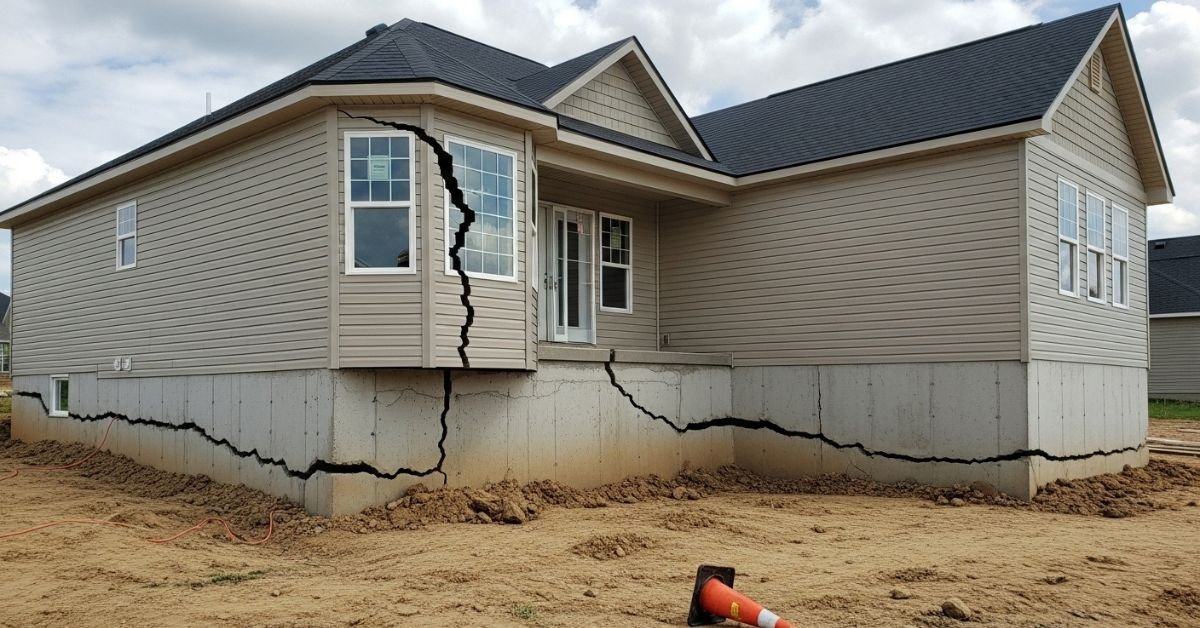
A strong and stable foundation is the backbone of every well-built structure. When constructing a new home or commercial building, ensuring that the foundation is properly designed and protected from environmental stress is crucial to long-term stability. Foundation problems are not only expensive to repair but can also lead to structural damage that affects safety and property value. By focusing on soil quality, drainage, materials, and construction practices from the very beginning, builders can avoid many of the common causes of future foundation issues. Preventive measures taken during construction save time, money, and stress for years to come.
Building Stability from the Ground Up
Preventing foundation issues starts with understanding the importance of soil preparation. The soil beneath a building must be properly evaluated and compacted before concrete is poured. Expansive clay soils, common in many regions, swell when wet and shrink when dry, creating pressure that can crack or shift a foundation. Engineers often conduct soil testing to determine the appropriate foundation design and stabilization method. Grading the land to slope away from the structure helps control water flow, reducing the risk of saturation beneath the foundation. Proper compaction and moisture control ensure uniform support, minimizing the chances of uneven settling. Builders who take time to prepare the site carefully lay the groundwork for lasting stability, guaranteeing the foundation remains strong and resilient against shifting or erosion over time.
The Importance of Proper Drainage and Moisture Control
One of the leading causes of foundation failure is poor drainage. When water accumulates near a structure, it seeps into the soil, causing movement that places stress on the foundation. Installing effective drainage systems, such as French drains, gutters, and downspouts that direct water away from the foundation, is critical for long-term protection. Proper grading of the landscape ensures that rainwater flows naturally away from the property rather than pooling near the base. Regular inspection and maintenance of these systems prevents erosion and moisture imbalance in the surrounding soil. Homeowners who neglect drainage often experience cracks, uneven floors, and wall separation. Builders in moisture-prone areas must take extra steps to waterproof foundations and install vapor barriers to protect against excess humidity. For homeowners seeking Sugar Land foundation repair, many issues could have been avoided through preventive drainage planning during the early construction phase. Investing in quality drainage solutions reduces the likelihood of water-related foundation problems and ensures long-lasting stability.
Choosing the Right Foundation Type for Your Site
Selecting the appropriate foundation type is another key factor in preventing future problems. The decision should be based on soil conditions, climate, and building design. For example, slab-on-grade foundations are ideal for stable, well-draining soils, while pier-and-beam systems work better in areas with expansive clay or high moisture. Crawl space foundations also allow for better ventilation and easier maintenance access. Builders must ensure the chosen foundation type aligns with the specific environmental conditions at the construction site. Failing to account for local conditions can lead to premature cracking, shifting, or water intrusion. Using high-quality materials and adhering to proper curing times during concrete pouring also enhances durability. When the right design and construction techniques are combined, the foundation becomes more resistant to stress, reducing the need for future repairs and maintaining the structure’s integrity over its lifetime.
Reinforcement and Structural Support
Reinforcement plays an essential role in creating a durable foundation. Steel rebar and wire mesh embedded in the concrete improve strength and help resist cracking caused by soil movement or load stress. The placement and spacing of these reinforcements must follow engineering guidelines to ensure proper support across all sections of the slab or footings. In addition to reinforcement, attention should be given to joint placement to allow controlled expansion and contraction as temperatures fluctuate. Builders should also consider installing concrete piers or pilings beneath the main foundation when constructing on weak or unstable soil. These deep supports transfer weight to more stable ground layers, reducing the risk of settlement. Combined with proper curing, reinforcement ensures that the foundation remains solid even under changing environmental conditions. Investing in structural support during construction prevents extensive damage later and keeps the foundation strong and resilient for decades.
Managing Vegetation and Landscaping Around Foundations
After construction, the surrounding landscape can significantly impact the foundation’s long-term performance. Trees and large shrubs planted too close to the building can absorb excessive moisture from the soil, causing shrinkage and uneven settling. On the other hand, overwatering nearby plants can increase soil expansion, which can lead to heaving. To prevent these issues, builders and homeowners should plan landscaping carefully by maintaining a safe distance between trees and the foundation. Root barriers can be installed to limit root intrusion, while consistent soil moisture levels help prevent drastic changes that strain the structure. Additionally, avoid piling mulch or soil against the foundation, as it can trap moisture and promote decay or mold. Thoughtful landscaping helps maintain consistent ground conditions and prevents unnecessary stress on the foundation, preserving the balance needed for long-term structural stability.
The Role of Regular Monitoring and Maintenance
Even with strong construction practices, regular monitoring is necessary to ensure the foundation remains stable over time. Seasonal changes, shifting soil, and heavy rainfall can gradually impact foundation performance. Early signs of trouble—such as hairline cracks, sticking doors, or uneven floors—should not be ignored. Routine inspections by qualified professionals can identify developing issues before they worsen. Keeping gutters clean, checking for water pooling, and maintaining consistent soil moisture are simple yet effective ways to protect the foundation. Preventive maintenance prevents small issues from escalating into costly repairs, safeguarding both comfort and property value. Continuous attention to foundation health allows homeowners to preserve the longevity of their investment and avoid structural deterioration that could have been prevented with timely care.
Construction Techniques That Enhance Longevity
Modern building practices have introduced several methods that improve foundation resilience. Techniques such as post-tensioned slabs, moisture-resistant concrete, and proper vapor barriers significantly reduce risks associated with soil movement and moisture intrusion. Builders are also integrating technology to monitor soil behavior and detect shifts before damage occurs. Following precise engineering standards during concrete mixing, pouring, and curing ensures structural integrity from the beginning. Attention to detail in every step—whether it’s reinforcing corners, sealing edges, or compacting fill soil—contributes to the foundation’s long-term strength. Combining modern materials with traditional craftsmanship produces a more stable and energy-efficient base for any building. When applied correctly, these construction techniques create a foundation that can withstand environmental stressors for generations.
Preventing foundation problems in new construction begins long before concrete is poured. Proper site evaluation, drainage planning, material selection, and ongoing maintenance all work together to ensure the foundation remains solid and dependable. By addressing soil stability, water control, and structural reinforcement early, builders can eliminate the most common causes of damage. Homeowners who continue to monitor and care for their foundation help preserve their property’s strength and value over time. A durable foundation not only supports the structure above but also provides peace of mind, knowing the home was built on a strong, lasting base designed for longevity and stability.