Training the Next Generation: Pediatric CPR Essentials
When it comes to saving lives, knowledge and preparation are key—especially when it comes to pediatric CPR. In an emergency, the ability to perform CPR on a child or infant can make the difference between life and death. While adult CPR is essential, pediatric CPR focuses specifically on the unique needs and challenges of responding to young children and infants. Understanding how to perform pediatric CPR is crucial for parents, caregivers, teachers, and anyone who works with children.
If you’re looking to gain confidence in providing life-saving care for children, it’s essential to learn the correct techniques. CPR Certification Now offers comprehensive courses on pediatric CPR to ensure that you are prepared for any emergency situation involving a child or infant.
Why Pediatric CPR is Different from Adult CPR
While the basic principles of CPR apply to both adults and children, pediatric CPR differs in a few key areas, including the depth and rate of chest compressions and the technique for performing rescue breaths. It’s crucial to understand these differences to ensure the best possible outcome when performing CPR on a child or infant.
Key Differences Between Adult and Pediatric CPR:
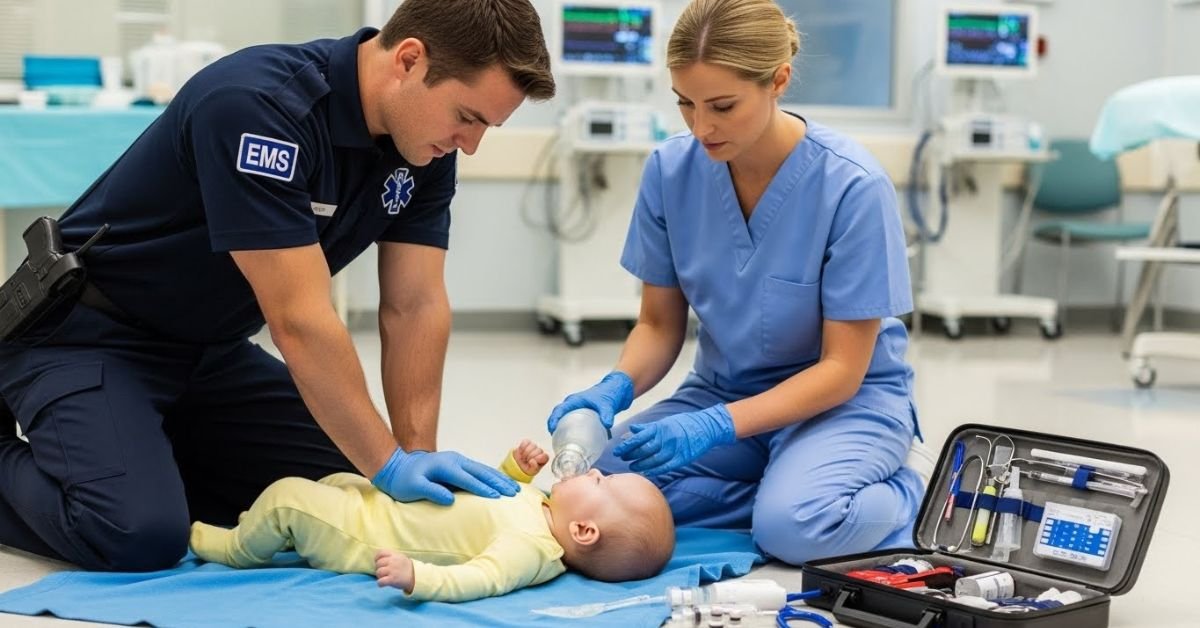
- Compression Depth and Rate: For infants and children, chest compressions should be shallower and more gentle compared to adults. For infants, the compressions are about 1.5 inches deep, while for children, it’s about 2 inches deep.
- Hand Placement: In pediatric CPR, the technique for hand placement is also different. For infants, two fingers are used for compressions, while for children, one or two hands may be used depending on their size.
- Rescue Breaths: The mouth-to-mouth technique is used for both adults and children, but the volume of air needed for children is less than for adults.
These subtle but important differences are why pediatric CPR requires specific training. Knowing these variations and practicing them can make a life-saving difference.
The Importance of Pediatric CPR Training
Emergencies involving children can be overwhelming, especially when you are unsure of what to do. Pediatric CPR training gives you the knowledge and confidence to act quickly in such situations. Here’s why pediatric CPR training is essential:
- Quick Response Can Save Lives: Children’s bodies are more vulnerable, and they can deteriorate much faster than adults during medical emergencies. Knowing pediatric CPR ensures that you can act immediately and help maintain oxygen flow until emergency medical personnel arrive.
- Common Accidents Involve Children: Whether it’s choking, drowning, or a cardiac arrest due to an underlying condition, children face unique risks. Pediatric CPR training prepares you for these specific types of emergencies.
- Empowering Parents and Caregivers: As a parent or caregiver, being trained in pediatric CPR ensures that you can take immediate action during an emergency with your child. This skill is one that can protect your child and others in your community.
What You’ll Learn in Pediatric CPR Training
When you take a pediatric CPR course, you’ll be taught the essential skills and techniques to provide care for children and infants. Here’s what you can expect from comprehensive pediatric CPR training:
1. Assessing the Situation
- Learn how to quickly assess whether a child or infant is breathing or has a pulse, and how to determine if CPR is necessary.
- Understand the signs of choking or other emergencies and how to respond appropriately.
2. Performing Chest Compressions
- Learn the correct hand placement and compression depth for infants, toddlers, and older children.
- Master the rhythm of compressions (about 100-120 compressions per minute) and how to ensure that the compressions are effective in circulating blood.
3. Giving Rescue Breaths
- Understand how to provide effective rescue breaths for infants and children, using the proper technique to avoid over-inflation.
- Learn how to clear the airway in the event of choking or airway obstruction.
4. Using an AED on Children
- Get trained on how to use an Automated External Defibrillator (AED) for children, including proper pad placement and settings for children over one year old.
- Know the difference in AED use for adults and children to ensure the device is used correctly.
5. Handling Choking Emergencies
- Learn techniques like back blows and chest thrusts for infants, and abdominal thrusts (the Heimlich maneuver) for older children.
- Gain confidence in managing choking situations and preventing airway obstruction.
Who Should Take Pediatric CPR Training?
While pediatric CPR training is important for anyone who spends time with children, there are specific groups who will find it especially beneficial:
- Parents and Caregivers: Every parent should be trained in pediatric CPR to be prepared for accidents at home or in public.
- Teachers and School Staff: Teachers, daycare providers, and coaches should be trained in pediatric CPR to handle emergencies in the classroom or during activities.
- Healthcare Providers: Nurses, doctors, and other healthcare workers should also take pediatric CPR training to be prepared for emergencies involving children in medical settings.
- Babysitters and Nannies: Individuals responsible for the care of children need to know pediatric CPR to handle potential emergencies with confidence.
Why Choose CPR Certification Now for Pediatric CPR Training?
https://cprcertificationnow.com/ offers convenient and affordable online courses in pediatric CPR. Here’s why you should choose us for your training:
- Accredited Training: Our courses are accredited and adhere to the latest CPR guidelines, ensuring that you’re receiving up-to-date and reliable information.
- Flexible Learning: With online courses, you can learn at your own pace, from the comfort of your home, without the need to attend in-person classes.
- Interactive Learning: Our courses include engaging videos and practical scenarios that help reinforce your understanding and make the material easy to remember.
- Instant Certification: Upon completing the course, you will receive your pediatric CPR certification, often within the same day. This certification is valid for two years and can be used for personal or professional purposes.
- Affordable: We offer competitive pricing to ensure that everyone can access the training they need to be prepared for emergencies.
Conclusion
Training in pediatric CPR is an essential skill that every parent, caregiver, and professional working with children should have. By learning the correct techniques for saving a child’s life, you not only gain confidence in your ability to act but also ensure the safety of those around you.

Ellie Wheatley is a dedicated writer at AVTube.org who enjoys creating accurate, engaging, and easy-to-understand content. She is passionate about sharing helpful information, researching reliable sources, and delivering high-quality articles that keep readers informed and inspired.