What Streaming Services Can Learn From Gamified Experiences
Streaming is reaching a fork in the road. Global platforms dominate entertainment, but competition is intense, audiences are overwhelmed by choice, and subscription fatigue is giving way to frustration. If the services want to retain user attention, they must transcend being just places for content delivery to become more interactive and emotionally rewarding. The gaming industry, long a master of engagement, may hold the key.
These gamified experiences use challenges, progress, and rewards to retain users, and because of this, the way people are consuming digital content has changed. For the leading streaming services, all this could mean going from passive viewers to active participants, deeper loyalty, and a redefinition of entertainment for future generations.
Engagement Beyond the Play Button
Most video-streaming services today depend on the same formula for engagement: recommendation algorithms, autoplay, and personalized suggestions. These tools work to improve retention; they rarely inspire emotional investment in what one is watching. Gamified platforms, however, get users involved as a part of the experience.
The difference is in interactivity and reward. Games keep players engaged not just because of what they consume but because of how they participate. Players complete the challenge, unlock rewards, and progress to higher levels that create a sense of achievement. That simple yet powerful structure could upend the way in which streaming services engage audiences.
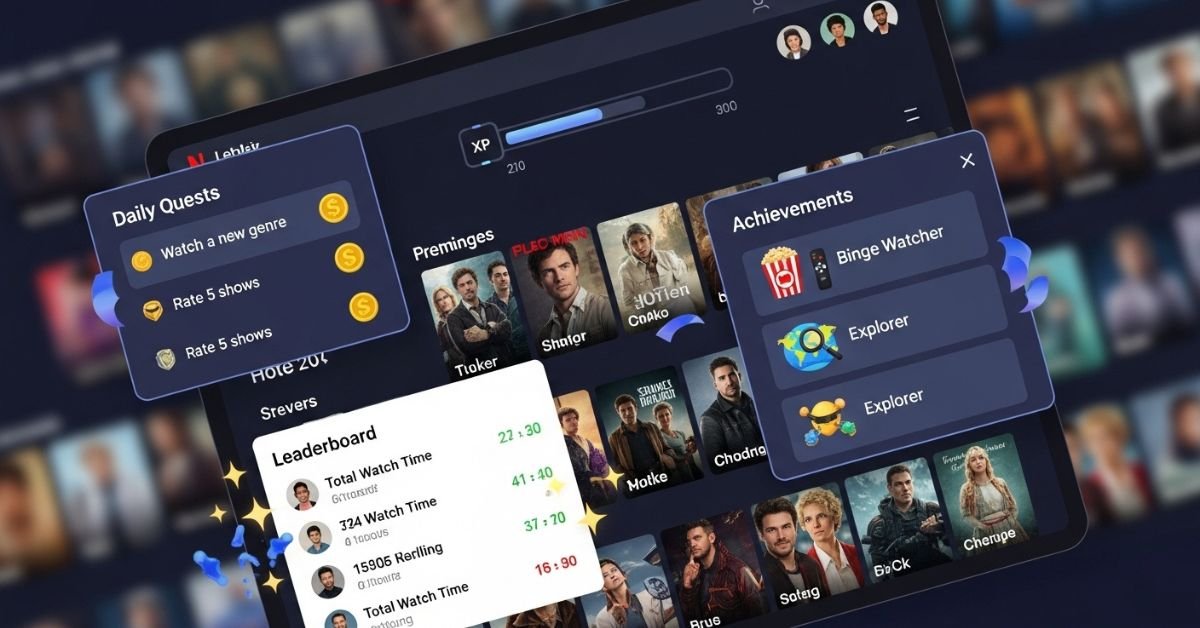
Think of a system where viewers get badges for completing series, accumulate points for daily log-ins, or unlock unique content by exploring new genres. Streaming applications can incorporate the bonus kalender system, used in many games and online services, which rewards consistent users regularly over time with small perks.
A reward-based experience of this kind nurtures the habit of interaction and makes viewing a dynamic, interactive journey rather than a passive one.
By making these mechanics available, streaming platforms would uplift not only the activity of their users but also help create strong emotional bonds with their audiences. When viewers feel that they are being rewarded for investing time, they are more likely to revisit, explore further: and yes, even socially share their achievements.
The Psychology of Play and Reward
Gamification works because it taps into core human psychology. People are innately driven by curiosity, achievement, and recognition, and when these motivations are translated into design, engagement becomes self-sustaining.
While services currently use data to understand users’ behavior, they often stop short of creating incentives for that behavior: in stark contrast to games, which reward exploration and persistence. Every achievement, no matter how small, feeds into a cycle of motivation.
A streaming app might, for example, add quests or themed marathons. The viewing of specially selected lineups of sci-fi movies or documentaries may grant users unique digital collectibles or early access to upcoming releases. This combination of entertainment and achievement creates a self-reinforcing feedback loop-users feel rewarded, making them more likely to repeat the process.
The approach of the gaming industry to retention also reveals how personalization may be merged with play: when rewards reflect individual preferences, users feel ownership. It’s this emotional attachment that turns casual engagement into long-term loyalty.
Learning From Gamified Economies
The most successful gamified ecosystems function exactly like digital economies, balancing incentives with progression. Online gaming platforms and casinos of interactive games have mastered this balance in creating environments that still feel both fun and rewarding.
One reason these systems work is the use of tangible outcomes: Players can win, collect, and even monetize their engagement. For entertainment, that could translate to loyalty points converting to real-world discounts or partner offers. Services like streaming could look to models such as online casino echt geld platforms, where the level of engagement directly correlates with tangible rewards. Clearly, the key is not in replicating gambling mechanics but in adapting the principle to reward continuous active participation.
For example, a user streaming a full season within a launch week earns exclusive behind-the-scenes content or early access to future episodes. Another unlocks special playlists by maintaining a daily activity streak. These small, achievable milestones mirror the dopamine-driven satisfaction loops that make gaming experiences so addictive-but in a positive, entertainment-focused way.
Such systems could also create opportunities for community-driven engagement. Leaderboards, watch parties, or achievement-sharing features could spur friendly competition and encourage users to be more active and connected.
The Future of Interactive Entertainment
The next frontier in streaming is less about the speed at which content is delivered or in greater resolution, but about changing how that material is experienced by audiences. As artificial intelligence, augmented reality, and blockchain start to take digital life, gamified structures will likely form a basis for engagement across platforms.
Personalized challenges, live interaction with creators, and digital collectibles related to shows or franchises could be the new meaning of loyalty programs. It’s all about making every view a participatory rather than transactional experience. Importantly, gamified models provide more than just higher retention to streaming platforms; they let companies gain valuable insights into users’ behavior.
By observing exactly how people engage with challenges and rewards, the companies can refine recommendations and make their offer more personalized. But it will all come down to a question of balance.
The rewards have to be meaningful but not overwhelming; the game-like mechanics should support and not override the content itself. The core will always be storytelling and immersion, to which gamification will be the bridge that deepens that relationship.
Turning Viewers Into Players
The combination of streaming and gaming parallels a larger trend in digital culture: audiences no longer wish to simply consume but to participate. Of course, the platforms that understand this and effectively weave gamified systems into their design will lead the next generation of entertainment.
By leveraging the lessons of interactive design and incentive-based engagement, streaming services can transition from content providers into ecosystems of participation. The audience of tomorrow won’t just press play: they’ll play to stay.

Ellie Wheatley is a dedicated writer at AVTube.org who enjoys creating accurate, engaging, and easy-to-understand content. She is passionate about sharing helpful information, researching reliable sources, and delivering high-quality articles that keep readers informed and inspired.