How Sintered Metal Boosts Strength, Durability & Performance
There are always demands for stronger parts, increased longevity, and reliability in extreme environments from manufacturers. On the other hand, there are always calls to reduce manufacturing costs and waste material. All these factors have compelled many sectors to opt for manufacturing processes that would give them the benefits of quality as well as efficiency without hampering performance.
One such manufacturing process is the use of sintered metal. Sintering involves shaping metal particles into specific shapes and then exposing them to heat below their melting point. This process gives the manufacturer a manufacturing process that would enhance strength, increase longevity, and provide reliable performance in different industries like automobiles, industry, aerospace, and consumers.
1. Atomic Diffusion Creates Exceptional Strength
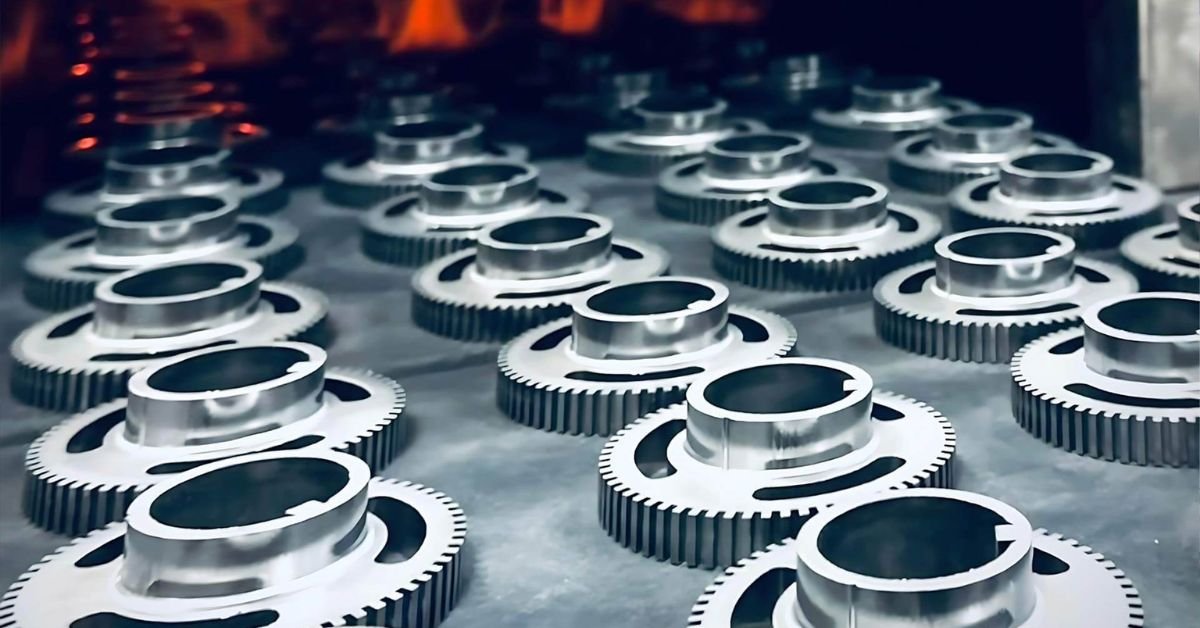
The metallic powder is compressed in a mold and subjected to heat treatment, which causes it to heat up to around 70%-90% of its melting point. During this heating stage, the atoms on the surface of the metallic powder get agitated and bond together.
A majority of the manufacturing industries depend on Sintered Metal solutions since the product comes out very consistent structurally and mechanically. This is in contrast to normal casting, where one may have issues of gas porosity and inconsistent cooling inside.
2. Superior Durability for Long-Term Performance
Strength alone is not enough for demanding industrial applications. Components must also resist wear, friction, and repeated mechanical loading throughout their service life. Durability of sintered metals is attributed to the ability of engineers to create their own material compositions based on specific requirements.
Manufacturers can add alloying agents like copper, nickel, or carbon to the powder of the basic metal before sintering. Thus, engineers get the opportunity to increase hardness, wear resistance, and fatigue resistance without compromising the accuracy of production.
All of these features make sintered metals quite useful in applications where they have to work constantly under load. Sintered gears and sprockets, appliance cams, and drive components used in industry suffer from constant friction in their working process. This makes their compactness and density quite useful to increase operational life and decrease maintenance efforts.
The flexibility of designing materials before manufacturing is another benefit that should be noted here.
3. Controlled Porosity Improves Functional Performance
Unlike the traditional manufacturing process that seeks to remove all pores from products, the use of sintering means that there is always a certain level of control of the porosity.
Such uniqueness is very important when making self-lubricating bearings where the microscopic pores contain lubricant oil, which slowly leaks out during operation to minimize friction without the need for any outside lubricants.
This technology is equally important when it comes to making filters for industrial purposes. The uniform pores in the filter ensure that it can capture contaminants but still allows air or fluids to pass through. As such, it does not require any further processing after manufacture due to the controllable porosity. As such, sintering of metals is ideal for several industries.
4. Precision Manufacturing Enhances Overall Performance
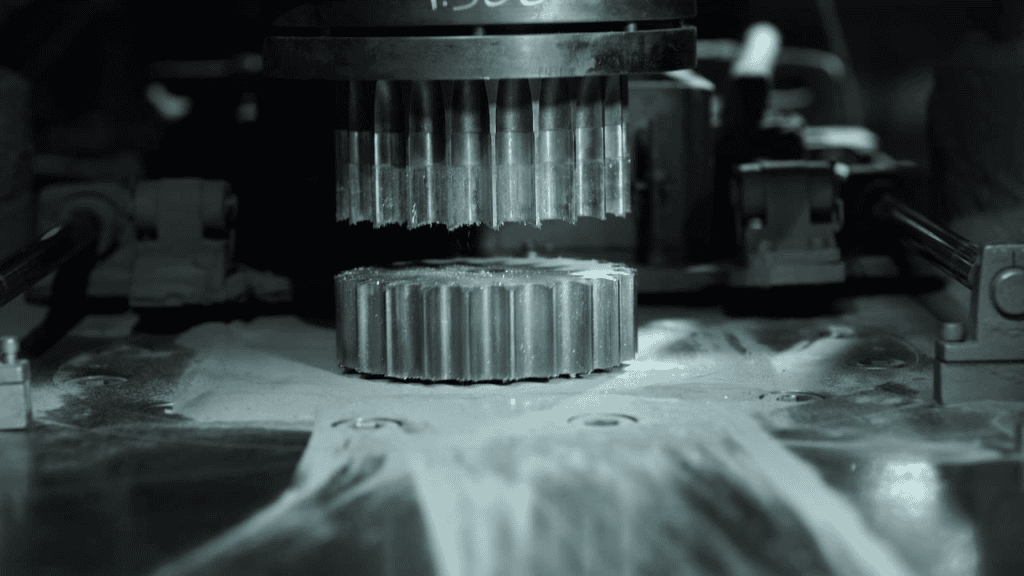
Another reason why powder metallurgy is preferred by manufacturers is that the technique allows for creating highly precise components without any need for much machining. The components will be created with near-net-shape precision in terms of their dimensions, as they will assume the required dimensions while being compacted.
Such precision will reduce the amount of time needed for manufacturing and the amount of materials wasted. Many of the sintered metal components can be made with such tolerance as 0.05% in terms of their dimensions, which makes them perfect for assemblies where there must be an exact fit.
Furthermore, uniformity during manufacturing will be better ensured since all the parts will be produced under the same conditions and with the same tools.
5. Optimized Strength-to-Weight Ratio
Lightweight but highly functional components have been the goal of modern engineering techniques as engineers strive to create parts that are lighter but stronger. With the help of sintering, the manufacturing process allows for the creation of lightweight parts from materials like aluminum and titanium while at the same time ensuring excellent mechanical properties.
The ability to make parts that are lightweight but strong ensures efficiency in the production process. For example, in the automotive industry, having lightweight components allows for the reduction of the overall weight of vehicles, leading to efficiency in fuel consumption. In the aerospace industry, the reduction of weight also leads to efficient performance while ensuring strength in structural design.
In the consumer electronics industry, having lightweight but strong components allows for a reduction in the size of products while at the same time ensuring their durability and performance.
Driving Long-Term Manufacturing Excellence
With industries requiring tougher, more durable, and highly accurate parts becoming ever more prevalent, sintered metals have become some of the best methods available when it comes to producing these components. The fact that they possess atomic-level bonding, accurate material property control, precision manufacturing, and high productivity renders them a perfect choice for such applications.
Compared to many other casting producers, sintering is more accurate and defect-free; moreover, material consumption in the process is higher than for many other conventional machining operations.
One of the unique features of Volunteer Sintered Products is its precision engineering, superior manufacturing quality, and profound expertise in powder metallurgy. While conventional machining suppliers and standard casting manufacturers may be suitable for certain applications, Volunteer Sintered Products delivers specialized sintered metal solutions designed to meet demanding performance requirements across a wide range of industries.

Ellie Wheatley is a dedicated writer at AVTube.org who enjoys creating accurate, engaging, and easy-to-understand content. She is passionate about sharing helpful information, researching reliable sources, and delivering high-quality articles that keep readers informed and inspired.