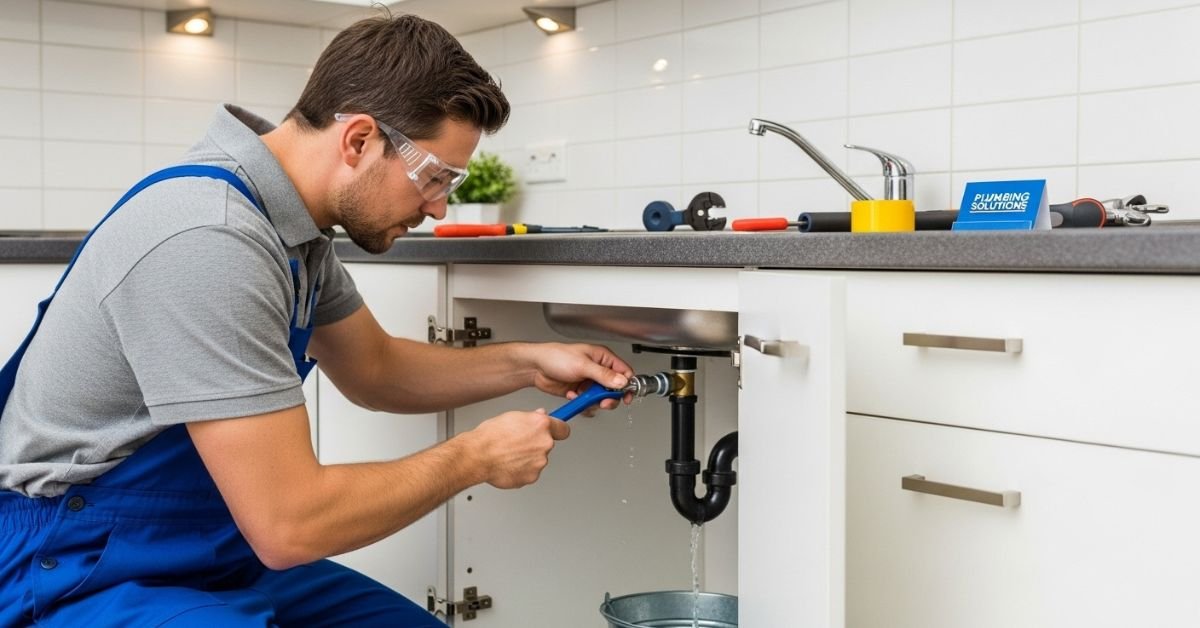
Green Plumbing: Eco-Friendly Plumbing Solutions
As environmental awareness continues to shape the way homes and businesses are built, plumbing systems have become a key focus for sustainable innovation. Green plumbing is more than a trend—it’s a practical commitment to conserving water, reducing waste, and improving energy efficiency without sacrificing comfort or convenience. From low-flow fixtures to efficient water heating and intelligent leak detection, eco-friendly plumbing solutions are transforming how we manage one of our most valuable resources.
Homeowners and contractors alike are recognizing that sustainable plumbing not only benefits the planet but also reduces long-term costs and enhances indoor living environments.
Sustainable Fixtures for Modern Living
One of the cornerstones of green plumbing is the use of water-efficient fixtures that reduce consumption while maintaining strong performance. Faucets, toilets, and showerheads designed with flow restrictors or aerators use less water without compromising pressure or comfort. Dual-flush toilets and low-flow showerheads are excellent examples of how thoughtful engineering can make a substantial difference in daily usage. By implementing these upgrades, homeowners can save thousands of gallons of water per year and see noticeable reductions in utility bills.
Sustainable fixtures also promote responsible water habits, helping families become more mindful of their environmental footprint. Municipalities in areas like Severna Park have increasingly supported water-saving initiatives, making eco-friendly plumbing both accessible and encouraged. These modern systems reflect the growing demand for homes that function efficiently while preserving vital natural resources for future generations. Green plumbing fixtures are easy to integrate, durable, and help create environmentally conscious households.
Energy Efficiency Through Smart Water Heating
Heating water accounts for a large share of household energy use, making it a key area for sustainable plumbing improvements. Traditional water heaters often waste energy by maintaining a constant hot-water supply even when it’s not needed. Energy-efficient alternatives, such as tankless or on-demand water heaters, heat water only as needed, significantly reducing energy waste. Solar water heaters take this a step further by using renewable energy to provide hot water sustainably.
These systems not only lower energy consumption but also reduce greenhouse gas emissions, contributing to cleaner air and a healthier environment. Proper insulation of pipes and water tanks further enhances efficiency by minimizing heat loss. Smart thermostats and timers can be added to regulate temperature, ensuring comfort while automatically conserving energy.
When implemented correctly, energy-efficient water heating systems save both energy and money, turning sustainability into a long-term investment. For homeowners and builders, these advancements demonstrate how modern plumbing can balance functionality, cost-effectiveness, and environmental responsibility.
Water Recycling and Reuse Systems
Water recycling is an essential element of eco-friendly plumbing, offering a sustainable way to reduce reliance on freshwater supplies. Greywater systems, for instance, collect lightly used water from sinks, showers, and laundry for reuse in irrigation or toilet flushing. This process significantly cuts down household water demand and eases pressure on municipal treatment facilities.
Similarly, rainwater harvesting systems capture rooftop runoff, storing it for landscape use or even indoor applications with proper filtration. These solutions not only conserve water but also help manage stormwater, reducing flooding and erosion in urban environments. Advanced filtration and treatment technologies ensure that recycled water remains safe and effective for its intended purposes.
By incorporating water reuse systems into new construction or retrofitting older homes, property owners can contribute to sustainable water management. The adoption of these systems represents a shift toward a more circular approach to water use, where conservation and innovation work hand in hand for long-term resilience.
Innovative Technology for Leak Detection and Monitoring
Technology has become a driving force in the evolution of green plumbing. Smart sensors and leak detection devices can now monitor water usage in real time, providing alerts when irregularities occur. These systems prevent costly damage while reducing water waste caused by unnoticed leaks. Mobile applications connected to plumbing sensors allow homeowners to track consumption, set limits, and even shut off the water remotely if necessary.
This proactive approach enhances both convenience and conservation. Over time, data collected from innovative systems helps identify patterns of waste and opportunities for further efficiency. In commercial settings, large-scale monitoring networks can manage water distribution and ensure compliance with sustainability goals.
Combining innovative technology with efficient plumbing design creates a responsive, eco-conscious system that adapts to the user’s needs. Leak detection is not just a protective measure—it’s a sustainable strategy that ensures every drop of water is used wisely, reinforcing the connection between innovation and environmental stewardship.
Eco-Friendly Materials and Installation Practices
Sustainability in plumbing extends beyond fixtures and technology—it includes the materials and methods used during installation. Many green plumbing systems now utilize pipes made from recyclable or low-impact materials such as PEX or copper, which have longer lifespans and require less energy to produce. Choosing non-toxic adhesives and sealants also improves indoor air quality while minimizing environmental harm. Contractors are increasingly adopting environmentally responsible practices by reducing material waste and optimizing system layouts to use fewer resources.
Proper insulation and sealing help prevent energy loss, ensuring that plumbing systems function efficiently throughout their lifetime. Even minor adjustments, such as using locally sourced materials or minimizing transportation-related emissions, contribute to greener construction. When combined with efficient design, sustainable installation practices form the backbone of long-lasting, eco-friendly plumbing solutions.
Every stage—from planning to completion—becomes an opportunity to align comfort, performance, and environmental care. This holistic approach ensures that green plumbing isn’t just about saving water—it’s about building more innovative, healthier living spaces for generations to come.
Economic and Environmental Benefits of Green Plumbing
While eco-friendly plumbing solutions are designed with the environment in mind, they also deliver substantial economic benefits to homeowners and businesses. Reduced water and energy consumption translates directly into lower utility bills, providing long-term savings that often outweigh the initial installation costs. Many government agencies and local municipalities offer rebates or tax incentives for adopting sustainable plumbing technologies, making the transition even more affordable.
Beyond financial savings, the environmental advantages are significant. Lower water use conserves natural reserves, while reduced energy demand decreases pollution and carbon emissions. Green plumbing also supports broader sustainability goals, such as protecting ecosystems and improving public health by reducing waste and contamination. As awareness grows, more property owners are recognizing that environmentally conscious upgrades are both practical and financially sound. The shift toward green plumbing represents an investment not only in personal comfort but in a collective future that values conservation and responsibility.
A Sustainable Future Through Smart Plumbing
Green plumbing demonstrates how modern technology and environmental awareness can work together to create more efficient, responsible living. By incorporating water-saving fixtures, intelligent monitoring systems, and energy-efficient heating, homeowners can reduce waste and lower costs while contributing to a healthier planet.
The shift toward eco-friendly plumbing reflects a broader movement toward sustainability in everyday life—one that starts with minor changes and leads to lasting impact. As more communities embrace these solutions, the benefits extend beyond individual homes to entire cities and ecosystems. Through conscious choices and innovation, green plumbing paves the way for a cleaner, more sustainable future for all.